People often ask whether NAD IV vs injection is the better way to get NAD+ support. The honest answer is that they are two delivery methods for the same nutrient conversation, not two miracle resets. One uses a drip. One uses a shot. Your schedule, comfort with needles, and how your clinician screens you should drive the choice.
QuickDrip IV Hydration offers both an NAD IV drip and an NAD IM injection. This guide explains how they differ, what a visit feels like, and how to pick a format without hype. If you already use NAD, our notes on how often NAD IV therapy is typically discussed can sit beside this comparison.
Table of Contents
- What NAD support is (and is not)
- NAD IV vs injection: the practical differences
- Who each option tends to fit
- What a session feels like
- How to prepare
- Aftercare and pacing
- Frequently Asked Questions
What NAD support is (and is not)
NAD+ (nicotinamide adenine dinucleotide) is a coenzyme your cells already make. Wellness clinics use NAD in IV bags or intramuscular shots as a convenience option for people who want supervised nutrient support. It is not a diagnosis, a stimulant, or a substitute for sleep, food, or medical care.
The NIH Office of Dietary Supplements niacin fact sheet is a useful primer on related B3 pathways. We share it so you can read a public-health source, not so we can promise a result. QuickDrip does not claim NAD will cure fatigue, reverse aging, or replace a physician’s plan.
If your main goal is general hydration rather than NAD specifically, start with our IV therapy overview and talk through symptoms with a nurse. NAD is an add-on conversation, not the only drip on the menu.
NAD IV vs injection: the practical differences
When people search NAD IV vs injection, they usually want time, sensation, and dose format, not a chemistry lecture.
- Time. An IV visit is longer. Fluid runs through a catheter at a controlled rate. An IM shot is usually in and out faster once screening is done.
- Access. IV needs a usable vein. IM uses muscle (often the arm or hip) and may suit people who are tired of repeated IV sticks.
- Feel. IV NAD is sometimes described as warm, chest-tight, or “intense” if the rate is too fast. Nurses can slow the drip. IM can sting at the site and leave a day or two of sore muscle.
- Setting. Both can be done as a mobile visit or at an appointment-only clinic. You still need a licensed clinician, sterile supplies, and a screening conversation.
Neither format is “stronger” in a casual marketing sense. The bag and the syringe are different routes. Your clinician matches the option to your health history, medications, and how you tolerate infusions.
Who each option tends to fit
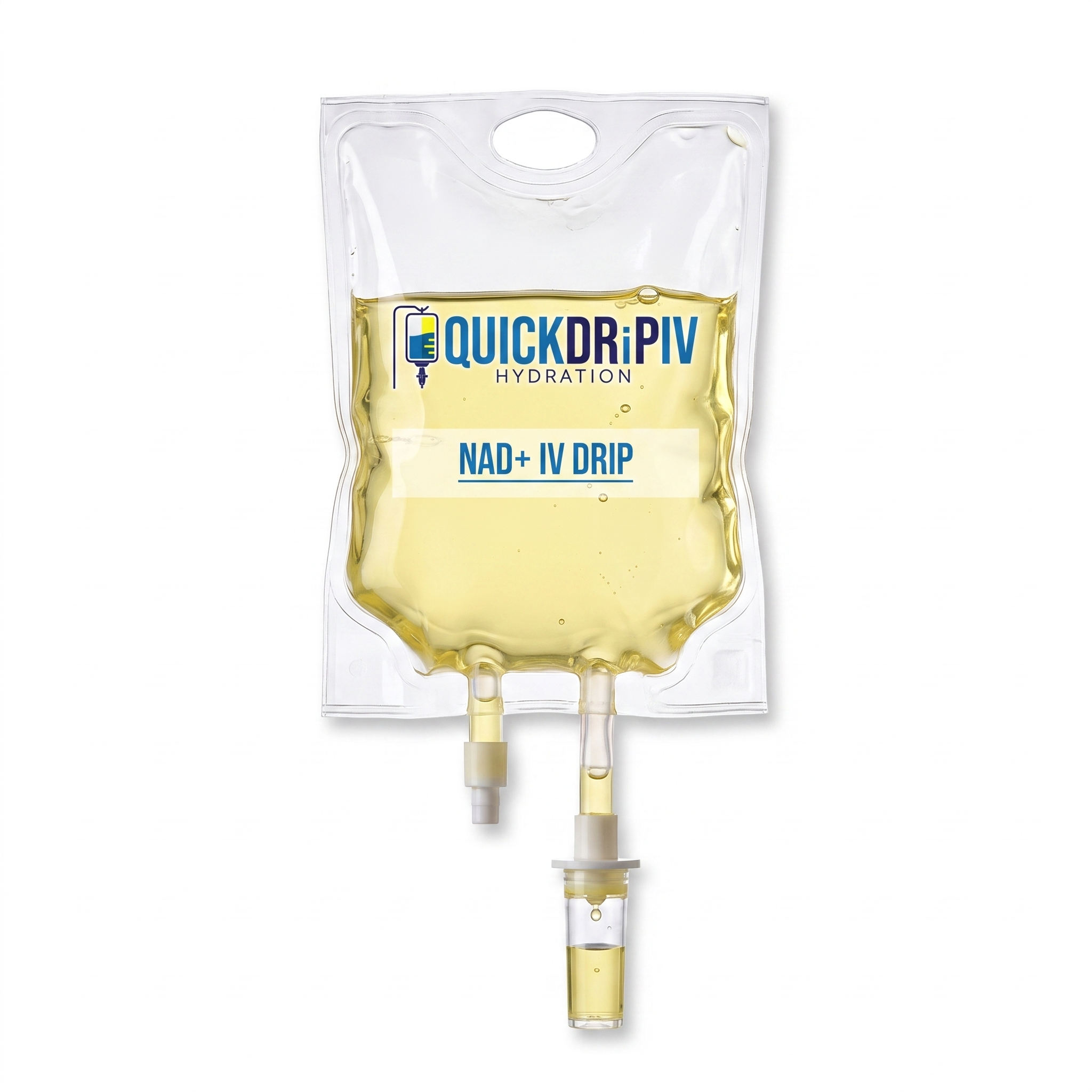
Choose the comparison, not a trend. Busy professionals who cannot sit for a full drip sometimes prefer an injection on a short lunch window. People who like a quieter, seated visit, or who want fluids plus NAD in one appointment, often lean IV.
IV may be a better discussion if you also want hydration in the same session, you tolerate catheters well, or you prefer a slower, adjustable delivery. Injection may be a better discussion if vein access is difficult, you want a shorter chair time, or you already know IM shots sit well with you.
Skip both and call your physician first if you are pregnant, have unstable heart or kidney disease, have an active infection at a planned injection site, or you are in the middle of a specialist protocol the clinic has not reviewed. Wellness NAD is optional. It is not urgent care.
What a session feels like
Intake covers allergies, medications, recent illness, and why you booked. For IV, the nurse places a catheter, starts fluids, and adds NAD according to the clinic protocol. If you feel flushed, anxious, or tight in the chest, say so immediately. Slowing the rate is a normal part of supervised care, not a failure.
For IM, the site is cleaned, the injection is given, and you wait briefly so staff can watch how you feel. Mild soreness is common. Spreading redness, fever, or trouble breathing is not “normal sore muscle.” That is a reason to seek medical care.
Plan buffer time either way. Rushing out the door mid-drip is how people leave frustrated. Wear a loose sleeve. Eat a light meal unless you were told otherwise. Bring a water bottle for the rest of the day.
How to prepare
- Write down medications, supplements, and recent procedures. Surprise lists at the chair slow everything down.
- Drink water in the hours before you arrive. Dehydration makes veins harder and recovery less comfortable.
- Tell us if prior IVs were difficult, or if you faint with shots. There are positioning and pacing tricks that help.
- Do not stack a new intense workout, a heavy drinking night, and a first NAD visit on the same calendar square.
- Decide whether you want mobile or clinic. Book through our contact page so the nurse knows the address and parking notes.
If NAD is not the right add-on after screening, we can still talk through hydration-focused drips. Soft next step: book a session that matches your calendar, not a stacked menu of every add-on on the board.
Mobile versus clinic is a logistics choice, not a quality ranking. Hotel rooms, offices, and homes work when parking, a chair, and a clean surface are available. Clinics help if you prefer a dedicated chair and you are already near an appointment-only location. Tell the scheduler which one reduces stress. A calmer check-in usually means a smoother catheter or shot.
Travel days are a common reason people compare formats. An injection can fit a layover window. An IV can fit a work-from-hotel afternoon. Neither replaces sleep on the plane. If you feel acutely ill, skip the wellness add-on and use ordinary medical care.
Aftercare and pacing
Most people go back to desk work the same day. Take it easy if you feel wiped. Keep sipping fluids. Avoid judging the visit by a two-hour mood swing. Sleep and meals still do the heavy lifting.
Spacing matters more than stacking. A single well-screened visit beats three rushed ones. If you are comparing NAD IV vs injection because you want a weekly habit, ask the nurse what a realistic cadence looks like for your history instead of copying a social post.
Keep caffeine ordinary. A huge energy drink plus an intense IV rate is a miserable combo for people who already run hot or anxious. If you feel jittery, say so. The fix is usually slowing the drip or ending the visit, not adding another stimulant at the front desk.
Questions between visits? Call (469) 972-7220. Emergency symptoms (wheezing, swelling of the face, severe chest pain) belong with emergency services, not a voicemail.
Frequently Asked Questions
Is NAD IV better than a NAD injection?
Not automatically. IV takes longer and can be rate-adjusted. IM is usually quicker at the chair. “Better” depends on veins, time, and how you tolerate each route.
Can I do NAD IV and an injection on the same day?
Do not stack extra NAD on your own. If a clinician suggests a plan, they will say why. More is not a wellness shortcut.
Will I feel it immediately?
Some people notice warmth or alertness during an IV if the rate is noticeable. Others feel little during the visit and only notice that they slept or hydrated better later. We do not promise a specific sensation.
Who should skip NAD visits?
Anyone who needs medical workup first, cannot complete intake honestly, or is looking for a cure. Tell the nurse about heart, kidney, pregnancy, and specialist care before the needle comes out.
Ready to talk through formats? Book your session today and we will match IV or injection to a screened, unhurried visit.