

Intravenous therapy has become a cornerstone of modern wellness, offering a direct route for essential nutrients to enter the bloodstream. However, as with any clinical wellness treatment, understanding the potential side effects of a Vitamin C IV infusion is vital to being an informed patient.
At QuickDrip IV Hydration, we prioritize safety and education. While high dose ascorbic acid is generally well tolerated, knowing what to expect during and after your session ensures a comfortable and effective experience. This guide explores the safety profile, common reactions, and professional protocols that define high quality IV therapy.
What is a Vitamin C IV Infusion?
A Vitamin C infusion delivers a concentrated dose of ascorbic acid directly into your circulatory system. Unlike oral supplements, which must pass through the digestive tract, IVs bypass the gut, allowing for 100% bioavailability. This method is frequently used for immune support, skin health, and cellular repair.
When discussing Vitamin C IV infusion side effects, it is important to note that most reactions are mild and temporary. By adhering to professional administrative standards, the risk of significant discomfort is greatly reduced.
Common Vitamin C IV Infusion Side Effects
Most individuals experience little to no downtime. However, some minor physiological responses can occur as your body adjusts to the nutrient boost.
1. Localized Injection Site Irritation
The most common Vitamin C IV infusion side effects involve the site of needle insertion. Patients may notice:
- Mild swelling or redness
- A cooling sensation in the arm
- Small bruising after the session
2. Increased Thirst and Dry Mouth
Vitamin C is a natural diuretic. Because it encourages the kidneys to process fluids, you may feel an increased need to hydrate. Drinking plenty of water before and after your appointment can easily manage this effect.
3. Temporary Lightheadedness
Occasionally, a rapid influx of nutrients can cause a brief shift in blood sugar or blood pressure. This is why our medical team monitors your comfort throughout the process and recommends that you eat a small meal prior to your visit.
Rare but Important Safety Considerations
While standard wellness doses are safe for most people, certain medical conditions require additional screening. Professional restoration of your nutrient levels should always involve a medical consultation.
- Kidney Health: Individuals with a history of kidney stones should consult a provider, as high doses of Vitamin C can increase oxalate levels.
- G6PD Deficiency: This rare genetic enzyme deficiency can react poorly to high dose Vitamin C. A professional clinic will screen for these factors to prevent adverse reactions.
 Maximizing Benefits While Minimizing Risks
To ensure you have the best experience and avoid unwanted Vitamin C IV infusion side effects, follow these expert tips:
- Hydrate Early: Drink at least 16 ounces of water before your arrival.
- Eat a Snack: Having food in your system helps stabilize blood sugar during the infusion.
- Disclose Medical History: Always share information regarding your kidney function or current medications with your provider.
Table of Contents
- What is a Vitamin C IV infusion?
- Common Vitamin C IV infusion side effects
- Who should avoid high-dose Vitamin C?
- How to prepare before your session
- What happens during and after the drip
- IV Vitamin C vs intramuscular injection
- When to call your provider
- Frequently Asked Questions
Who should avoid high-dose Vitamin C IV therapy?
Most healthy adults tolerate vitamin C IV infusion side effects as mild and short-lived. Certain medical histories require extra screening—or a different treatment plan altogether. Tell your nurse if any of the following apply:
- Kidney disease or a history of kidney stones. High-dose ascorbic acid can increase oxalate load in susceptible patients.
- G6PD deficiency. Very high intravenous doses have been associated with hemolysis in this rare condition.
- Iron overload disorders such as hemochromatosis, unless your physician has cleared supplementation.
- Pregnancy or breastfeeding. Dosing should follow clinician guidance rather than wellness-trend formulas.
- Current chemotherapy or prescription medications. Some protocols interact with antioxidant timing; always disclose your medication list.
At QuickDrip IV Hydration, intake questions happen before the catheter is placed. If IV Vitamin C is not appropriate, we can discuss hydration-focused drips on our symptoms page or alternate support such as intramuscular Vitamin C when clinically suitable.
How to prepare before your Vitamin C IV session
Simple preparation lowers the chance of thirst, headache, or vein irritation—the most common complaints tied to vitamin c iv infusion side effects in outpatient settings.
- Hydrate orally for several hours beforehand. Even IV fluids work best when you are not starting from severe depletion.
- Eat a light meal unless your provider asks you to fast for a combined lab draw or specific protocol.
- Wear loose sleeves and mention if you have a preferred arm or a history of difficult IV access.
- Bring your medication list and any recent lab results related to kidney function if you have them.
- Plan 45–60 minutes for a standard drip so you are not rushing during rate adjustments.
Mobile visits across Dallas–Fort Worth follow the same safety standards as our appointment-only clinics. See Allen and Dallas clinic locations or book a nurse visit through our contact page.
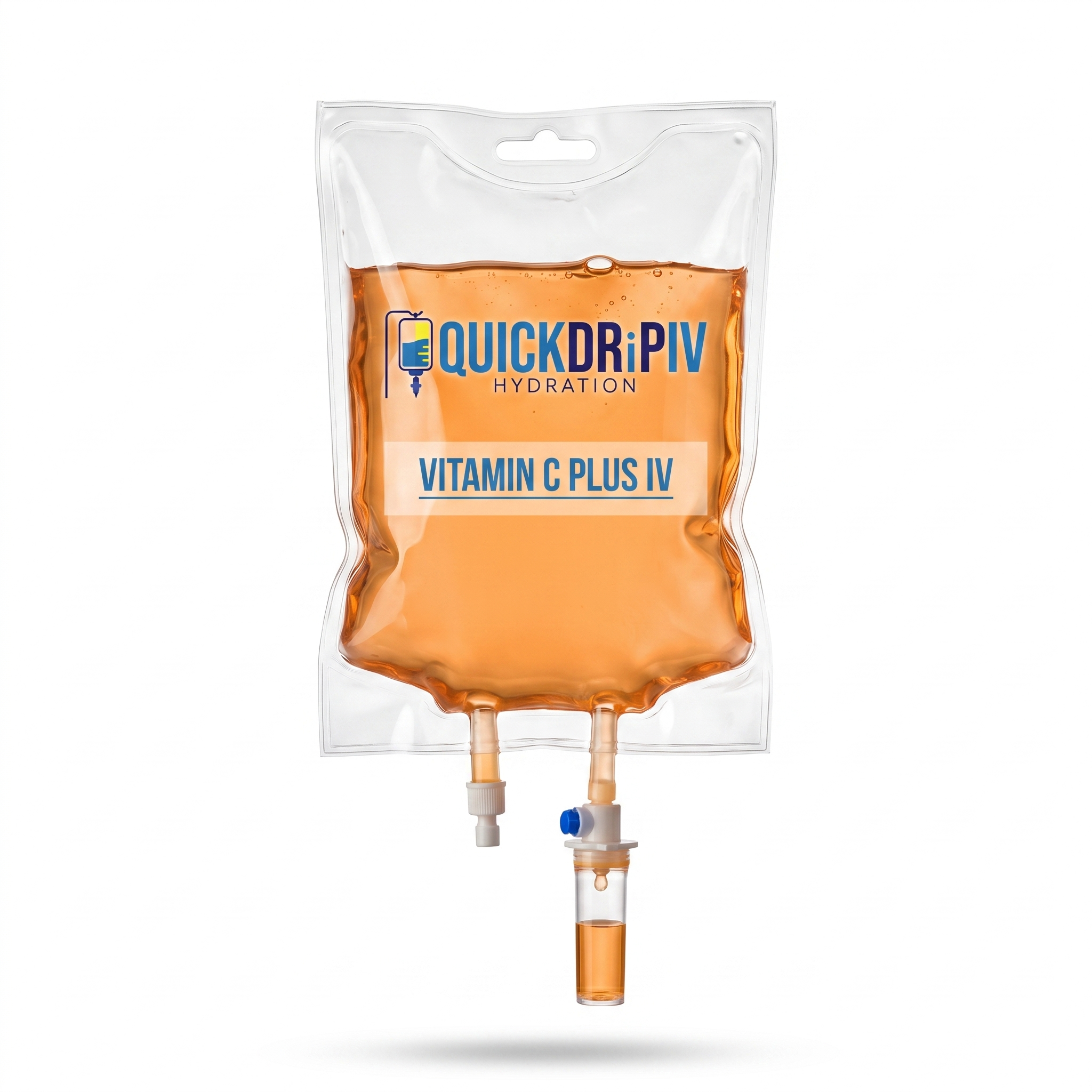
What happens during and after the drip
A licensed nurse confirms your identity, reviews allergies, and selects an appropriate vein. Ascorbic acid is mixed into sterile fluids and infused at a controlled rate. Slowing the drip often resolves a cool arm sensation—one reason professional administration matters.
After the session, most people resume normal activity the same day. Minor bruising at the catheter site can last a few days. For product details—not just reactions—see our Vitamin C IV page and IV therapy overview. The NIH Office of Dietary Supplements summarizes oral dosing limits that help frame how IV protocols differ.
IV Vitamin C vs intramuscular injection
Intramuscular shots use smaller volumes in muscle tissue; IV routes deliver higher doses with immediate bloodstream availability. IM may cause temporary soreness at the injection site, while IV can produce vein irritation but rarely deep muscle ache. Neither is DIY-safe—both require sterile technique and screening.
When to call your provider after Vitamin C IV therapy
Seek prompt medical care—not a wait-and-see approach—if you notice:
- Spreading redness, warmth, or pus at the IV site (possible infection)
- Wheezing, throat tightness, or hives (possible allergic reaction)
- Confusion, chest pain, or trouble breathing
- Dark urine, flank pain, or severe nausea after a high-dose session if you have kidney risk factors
For non-emergency questions about how you feel after a QuickDrip visit, call (469) 972-7220. Emergency symptoms belong in the ER or by calling 911.
Does IV Vitamin C cause kidney stones?
In patients with normal kidney function, occasional wellness doses are generally well tolerated. Those with a history of oxalate stones or impaired filtration need personalized limits. Screening questions exist precisely to avoid pushing dose beyond what your kidneys can safely handle.
Is flushing or warmth during the drip normal?
A cool or warm sensation along the vein is common and usually eases when the infusion rate is adjusted. Persistent discomfort should be reported immediately so the nurse can pause and reassess.
Frequently Asked Questions
What are the most common Vitamin C IV infusion side effects?
The most frequent reports include minor thirst, a cooling sensation during the drip, or slight bruising at the IV site. These usually resolve within a few hours.
Is high dose Vitamin C therapy safe for everyone?
Most healthy adults can safely receive Vitamin C infusions. However, those with kidney disease or G6PD deficiency should avoid high doses. A medical screening at QuickDrip IV Hydration helps determine if this therapy is right for you.
How long do the side effects last?
If any Vitamin C IV infusion side effects occur, they typically disappear within 24 hours. Proper hydration and rest are usually all that is needed for a full recovery.
Can Vitamin C IV cause a headache?
In rare cases, a mild headache may occur if the patient is dehydrated. Increasing fluid intake before your session is the best preventative measure.
Why Professional Administration Matters
Choosing a reputable provider is the best way to mitigate side effects from Vitamin C IV infusion. Professional clinics use medical-grade ingredients and sterile techniques to ensure every drip is both safe and effective.
QuickDrip IV Hydration serves the wellness needs of our community, with a focus on clinical excellence and patient comfort. Our goal is to provide the immune-boosting benefits of Vitamin C while maintaining the highest safety standards in the industry.
Contact QuickDrip IV Hydration today to schedule your consultation and learn more about how intravenous nutrition can support your long term health goals.