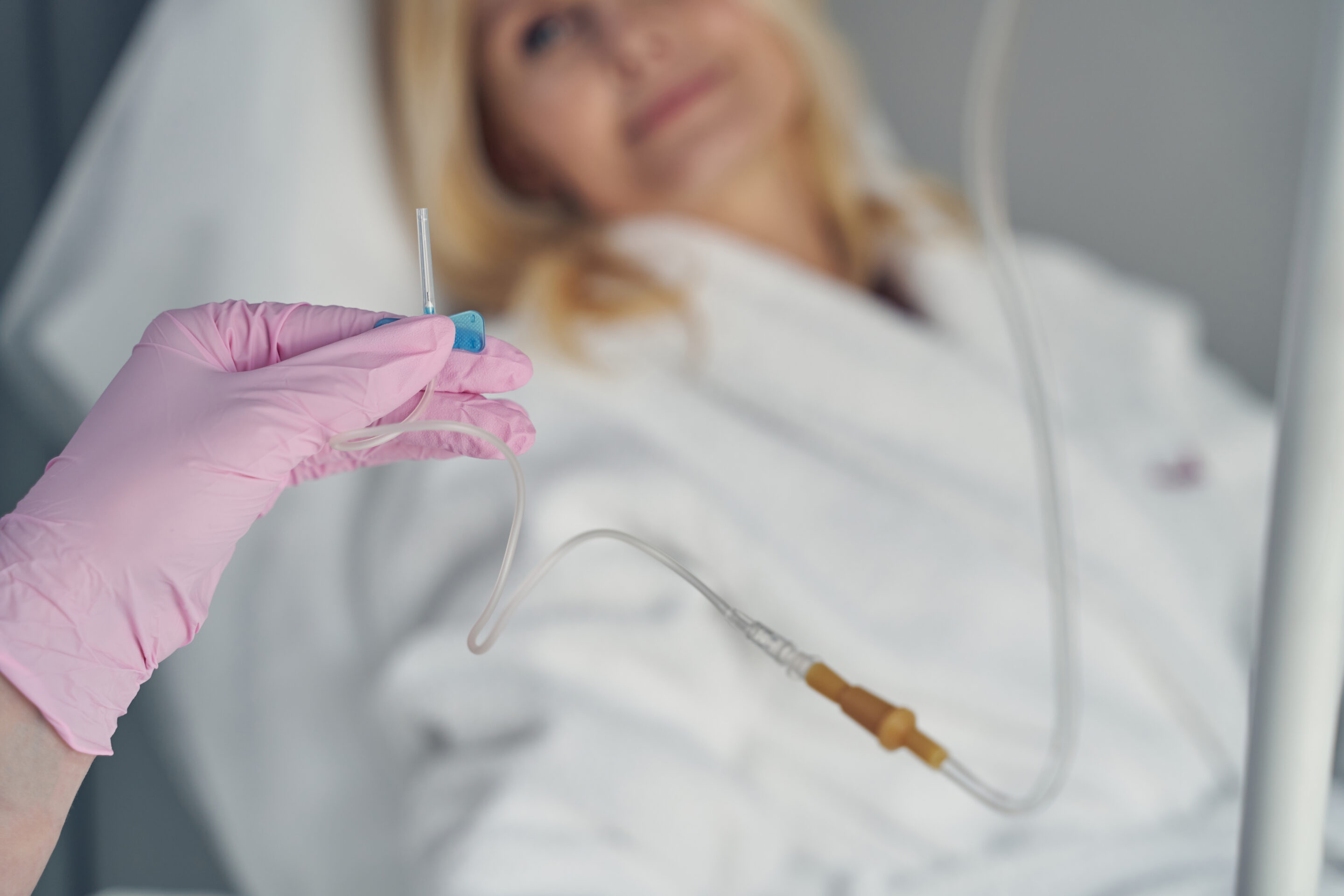
Receiving an IV drip is a powerful way to flood your system with essential vitamins, minerals, and hydration. However, the work doesn’t stop once the needle is removed. To get the full ROI on your treatment, you must understand the recovery phase. Many clients ask our Dallas medical team: what not to do after IV drip sessions to ensure the nutrients stay in their system as long as possible?
At Quick Drip IV Hydration, we want you to feel the “glow” for days, not just hours. Following proper aftercare prevents the body from flushing out the high-potency vitamins too quickly and protects the injection site from irritation.
The Golden Rule: Understanding Post-IV Micronutrient Uptake
When you receive Intravenous therapy, the nutrients bypass the digestive system for 100% bioavailability. Your cells are essentially “saturated.” If you engage in certain activities immediately after, you risk metabolic waste buildup or premature excretion of these vitamins.
What Not to Do After IV Drip: The Immediate Don’ts
To protect your investment and your health, avoid these specific actions for at least 6 to 24 hours:
- Avoid Intense Physical Exertion: While you may feel a sudden burst of energy, heavy weightlifting or high-intensity interval training (HIIT) can lead to rapid nutrient depletion through sweat and accelerated metabolism.
- Steer Clear of Alcohol and Caffeine: Both substances are diuretics. Consuming them immediately after your session forces your kidneys to flush out the hydration and vitamins you just received.
- Don’t Touch or Submerge the Injection Site: Avoid hot tubs, swimming pools, or dirty environments for 24 hours to prevent infection at the entry point.
- Limit High-Sodium Foods: Excessive salt leads to fluid retention and can interfere with the electrolyte balance achieved during your hydration therapy.
Optimizing Your Results: Solution-Based Aftercare
Instead of just waiting, you can take active steps to help the vitamins work. Knowing what not to do after IV drip treatments is half the battle; the other half is supporting cellular uptake.
Monitoring the Injection Site
It is normal to see a small bruise or feel slight tenderness. However, you should not apply heavy pressure or use heating pads on the area. If you experience minor swelling, a cold compress is the best solution to reduce inflammation without affecting the vein’s integrity.
Listen to Your Body’s Internal Clock
Some clients feel an immediate “surge,” while others feel a “detox” effect, often called the Herxheimer response. If you feel tired, do not fight it with energy drinks. Allow your body to rest so it can use the nutrients to repair tissues and balance hormones.

Why Proper Aftercare Matters for Dallas Residents
In a fast-paced environment like Dallas, it is tempting to go straight from an IV session to a business meeting or a night out in Deep Ellum. However, your body needs a “cool down” period. Proper aftercare ensures that the What Not to Do After IV Drip guidelines help you avoid common side effects like dizziness or a “vitamin crash.”
Frequently Asked Questions (PAA & AI Overview)
Can I shower immediately after an IV drip? Yes, you can shower, but we recommend avoiding very hot water and scrubbing the injection site for the first 24 hours. Keep the area clean and dry to ensure the puncture site heals properly.
What should I eat after my IV session? Focus on lean proteins and complex carbohydrates. Avoid processed sugars and “junk food,” as these can cause an insulin spike that interferes with the way your body processes the B-vitamins and magnesium from the drip.
Is it normal to feel tired after an IV drip? Yes. While many get a boost, some experience a “relaxation effect,” especially if the drip contained Magnesium or if your body was severely dehydrated. This is your nervous system shifting into “rest and digest” mode.
When will I see the full benefits of my IV therapy? Most clients feel the peak effects 12 to 24 hours after the session. This is why following the What Not to Do After IV Drip checklist is so important during that first day.
Experience Premium Mobile IV Hydration in Dallas
At Quick Drip IV Hydration, we bring the clinic to you. Our licensed medical professionals ensure every session is tailored to your specific wellness goals, whether you are recovering from a marathon, a long flight, or a seasonal illness.
Understanding what not to do after IV drip therapy is key to long-term wellness. We provide every client with a personalized aftercare plan to ensure they stay hydrated and energized long after our visit.
📍 Serving: Dallas, Fort Worth, Plano, and the surrounding Metroplex.
📞 Ready to Drip? Call us to learn more about our vitamin blends.